
 Image 1 of 1
MOLD REMOVAL IN PINELLAS COUNTY
MOLD REMOVAL IN PASCO COUNTY
MOLD REMOVAL IN HILLSBOROUGH COUNTY
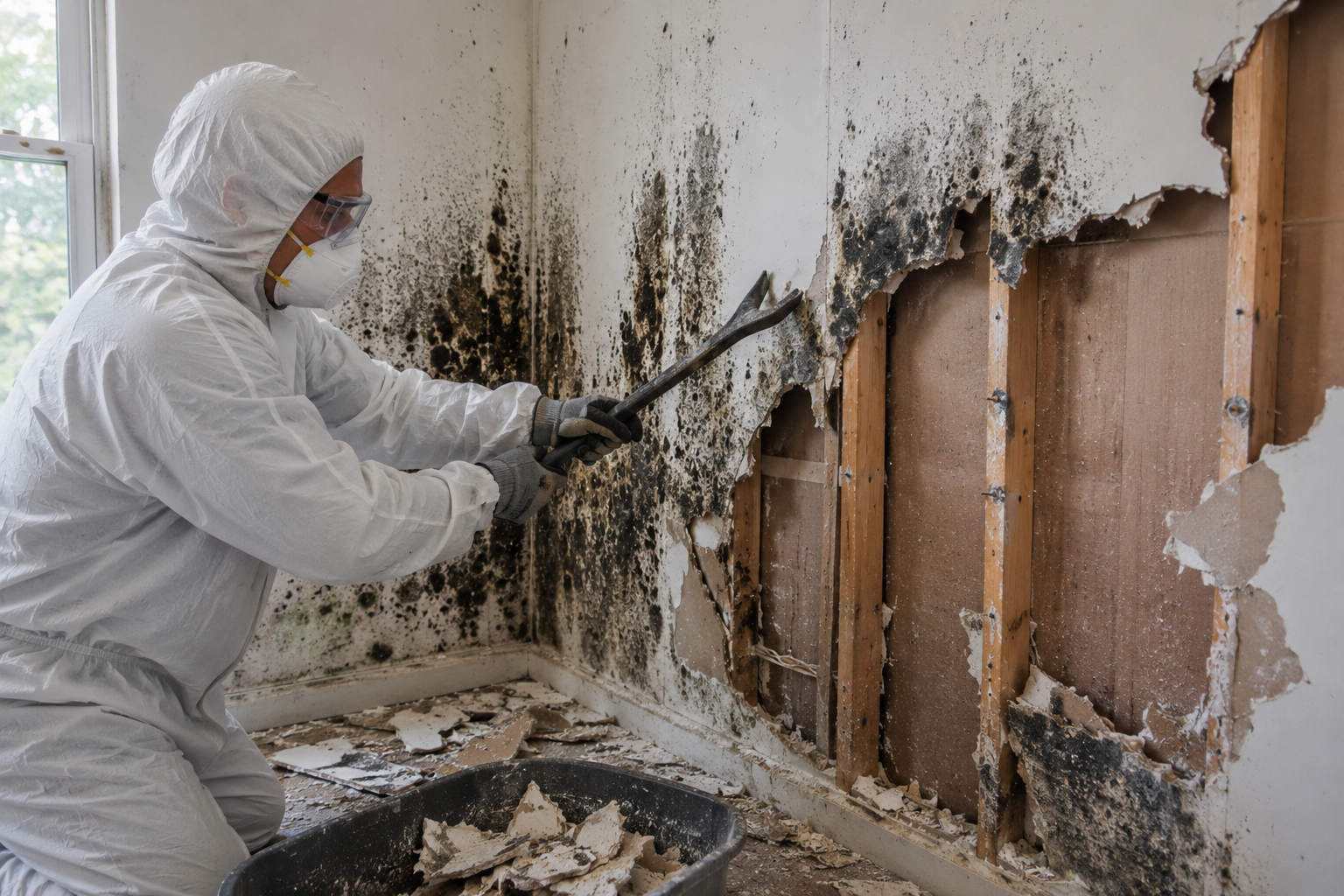
Mold Removal Services
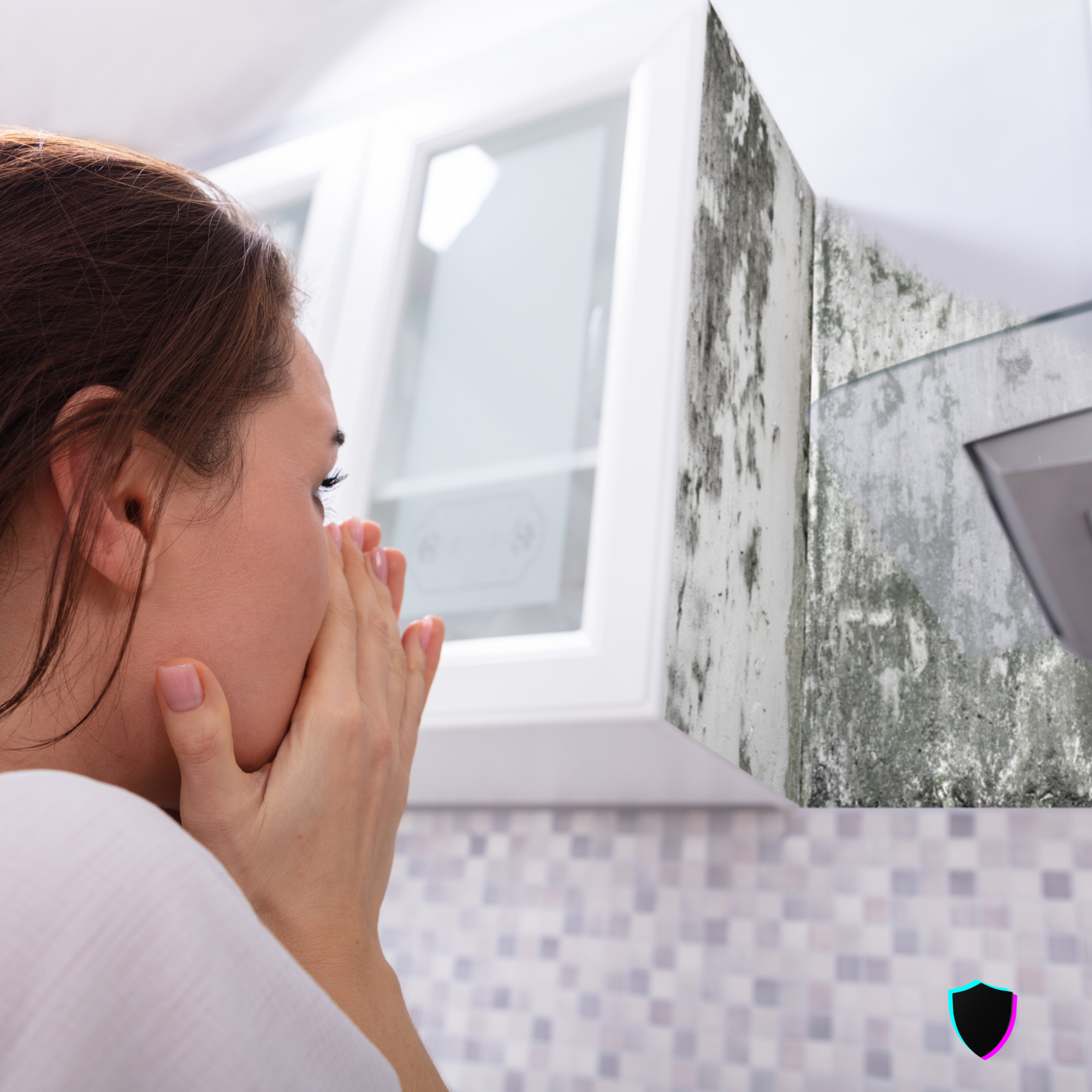
Mold growth in homes and businesses poses health risks, damages building materials, and undermines indoor air quality. Professional mold removal services provide assessment, containment, remediation, and prevention to safely and effectively restore affected spaces.
When to call a professional
Visible mold growth larger than a few square feet
Persistent musty odors
Water damage from leaks, floods, or high humidity
Recurrent mold after DIY cleaning
Occupants with respiratory issues, allergies, or compromised immune systems
Core services offered
Inspection and assessment: Certified technicians inspect affected areas, identify the type and extent of mold, locate moisture sources, and document conditions with photos and moisture readings.
Mold testing (as needed): Air and surface sampling can clarify species and concentration when the scope or health concerns warrant it. Testing is not always necessary for visible mold.
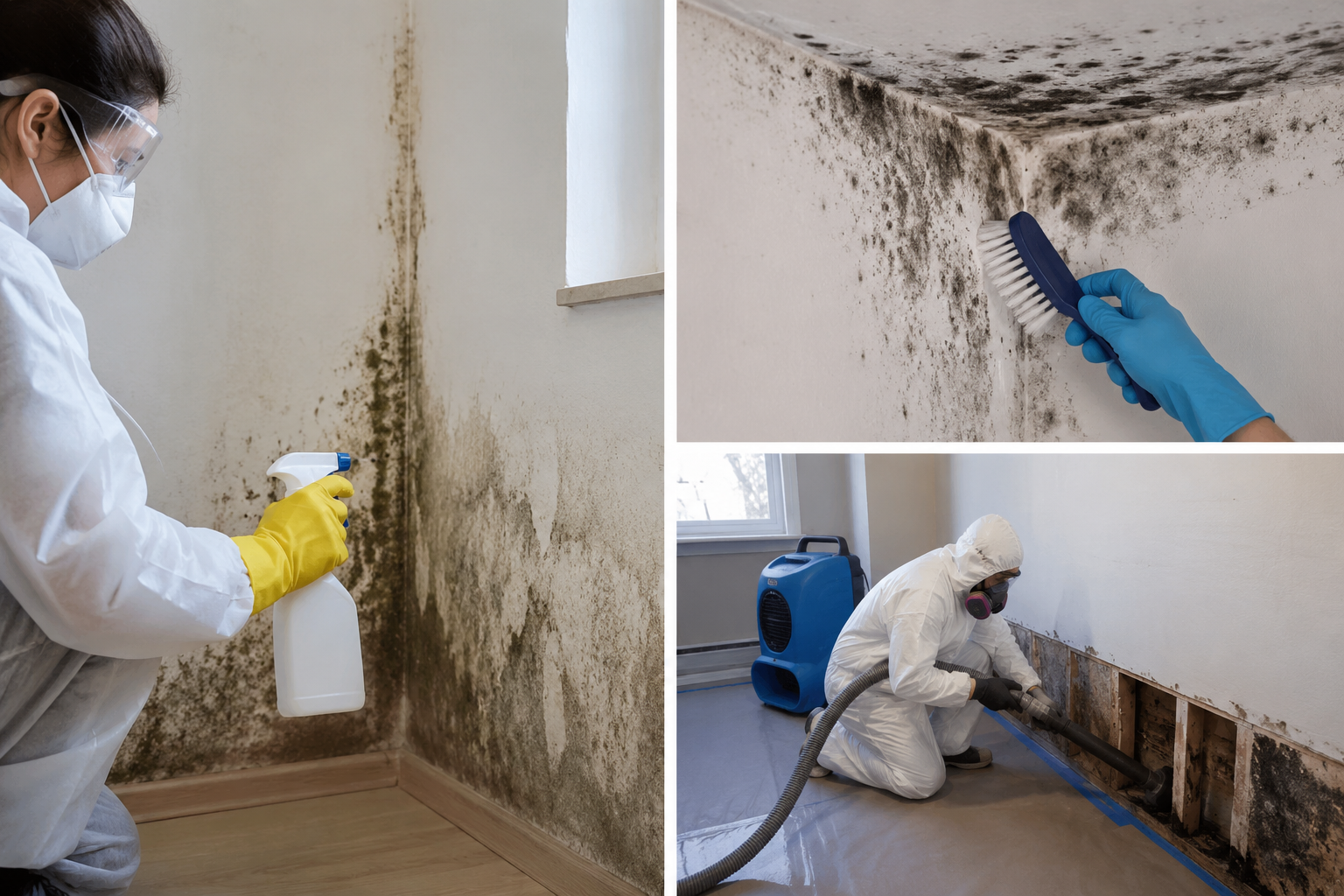
Containment and safety: Technicians set up containment barriers, negative air pressure, and HEPA-filtered equipment to prevent cross-contamination. Workers use appropriate personal protective equipment (PPE).
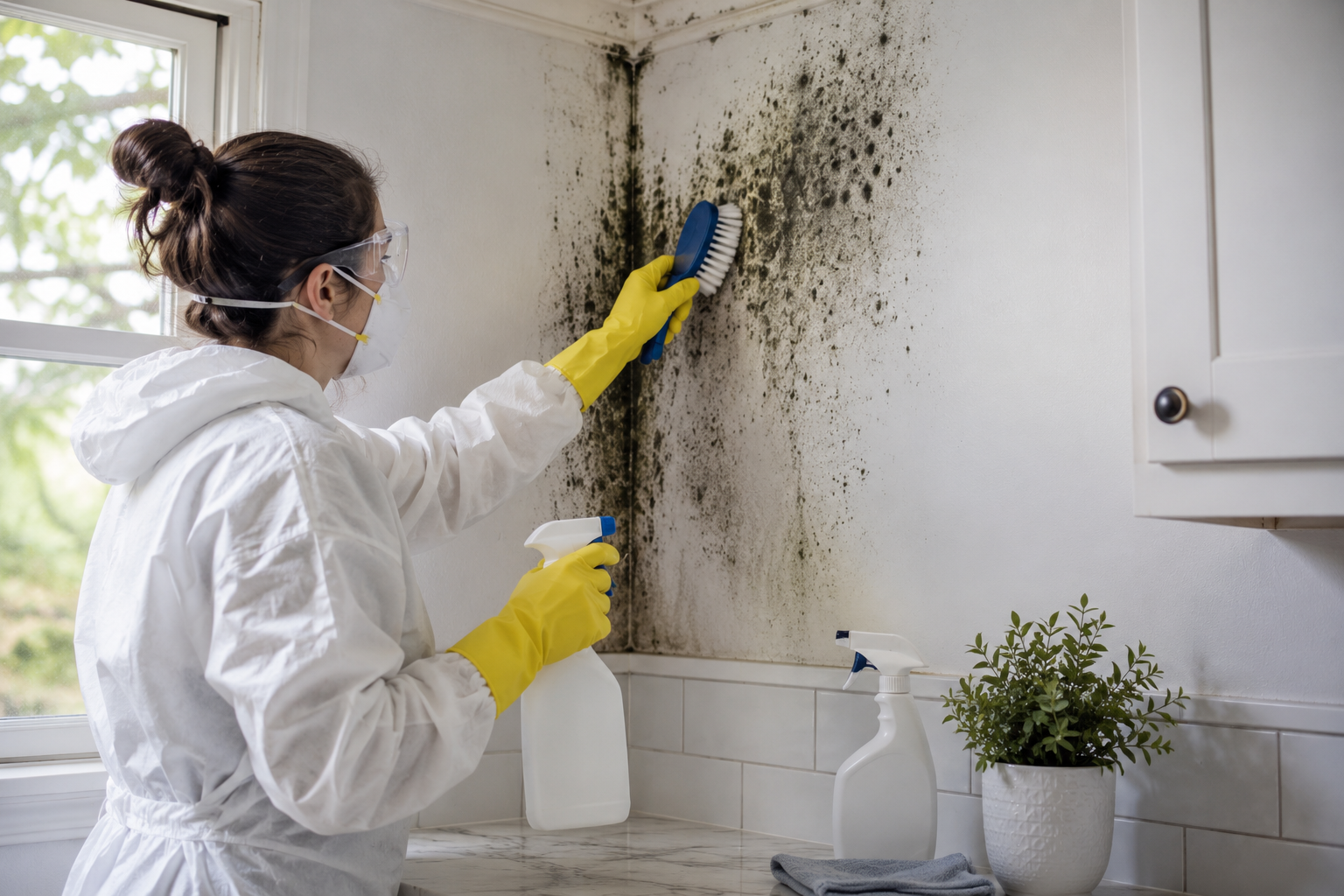
Removal and cleaning: Affected porous materials (drywall, insulation, carpeting, ceiling tiles) that cannot be remediated are removed and disposed of. Non-porous surfaces are cleaned and treated with antimicrobial agents.
Drying and structural repair: Industrial dehumidifiers and air movers dry the structure thoroughly. Technicians repair or replace damaged building materials and restore the area to pre-loss condition.
Post-remediation verification: Visual inspection and, if requested, clearance testing confirm that remediation goals were met.
Prevention recommendations: Technicians identify and recommend fixes for moisture sources (roofing, plumbing, grading, ventilation) and suggest humidity control, ventilation improvements, and routine maintenance.
What to expect during service
Initial contact and scheduling: You’ll receive a preliminary assessment over the phone, pricing estimate, and appointment time.
On-site assessment: Technicians perform a thorough inspection and explain findings, scope of work, timeline, and cost before starting.
Remediation process: The crew sets up containment, removes contaminated materials, cleans and treats surfaces, dries the area, and performs repairs as agreed.
Final walkthrough: A project manager reviews completed work, documents results, and provides guidance to prevent recurrence.
Costs and timelines
Costs vary by mold type, affected area size, accessibility, and needed repairs. Small jobs may be a few hundred dollars; extensive remediation with reconstruction can run into the thousands.
Timelines range from a day or two for minor cleanups to several weeks for large or complex jobs involving reconstruction and drying.
Health and safety considerations
Avoid DIY removal for large infestations or when occupants are sensitive to mold.
Limit exposure during remediation by staying out of the work area until containment is removed and the space cleared.
Follow post-remediation guidance to reduce recurrence (fix leaks, control humidity, improve ventilation).
Preventing mold growth
Fix leaks promptly and dry wet areas within 24–48 hours.
Maintain indoor humidity below 50% using dehumidifiers or HVAC adjustments.
Ensure proper ventilation in bathrooms, kitchens, and laundry areas.
Keep gutters clean and grade soil away from the foundation to prevent water intrusion.
Use mold-resistant building materials in areas prone to moisture.
If you suspect mold or have had recent water damage, contact us for a thorough assessment and remediation plan tailored to your property and health needs.
Mold Removal Services
Mold growth in homes and businesses poses health risks, damages building materials, and undermines indoor air quality. Professional mold removal services provide assessment, containment, remediation, and prevention to safely and effectively restore affected spaces.
When to call a professional
Visible mold growth larger than a few square feet
Persistent musty odors
Water damage from leaks, floods, or high humidity
Recurrent mold after DIY cleaning
Occupants with respiratory issues, allergies, or compromised immune systems
Core services offered
Inspection and assessment: Certified technicians inspect affected areas, identify the type and extent of mold, locate moisture sources, and document conditions with photos and moisture readings.
Mold testing (as needed): Air and surface sampling can clarify species and concentration when the scope or health concerns warrant it. Testing is not always necessary for visible mold.
Containment and safety: Technicians set up containment barriers, negative air pressure, and HEPA-filtered equipment to prevent cross-contamination. Workers use appropriate personal protective equipment (PPE).
Removal and cleaning: Affected porous materials (drywall, insulation, carpeting, ceiling tiles) that cannot be remediated are removed and disposed of. Non-porous surfaces are cleaned and treated with antimicrobial agents.
Drying and structural repair: Industrial dehumidifiers and air movers dry the structure thoroughly. Technicians repair or replace damaged building materials and restore the area to pre-loss condition.
Post-remediation verification: Visual inspection and, if requested, clearance testing confirm that remediation goals were met.
Prevention recommendations: Technicians identify and recommend fixes for moisture sources (roofing, plumbing, grading, ventilation) and suggest humidity control, ventilation improvements, and routine maintenance.
What to expect during service
Initial contact and scheduling: You’ll receive a preliminary assessment over the phone, pricing estimate, and appointment time.
On-site assessment: Technicians perform a thorough inspection and explain findings, scope of work, timeline, and cost before starting.
Remediation process: The crew sets up containment, removes contaminated materials, cleans and treats surfaces, dries the area, and performs repairs as agreed.
Final walkthrough: A project manager reviews completed work, documents results, and provides guidance to prevent recurrence.
Costs and timelines
Costs vary by mold type, affected area size, accessibility, and needed repairs. Small jobs may be a few hundred dollars; extensive remediation with reconstruction can run into the thousands.
Timelines range from a day or two for minor cleanups to several weeks for large or complex jobs involving reconstruction and drying.
Health and safety considerations
Avoid DIY removal for large infestations or when occupants are sensitive to mold.
Limit exposure during remediation by staying out of the work area until containment is removed and the space cleared.
Follow post-remediation guidance to reduce recurrence (fix leaks, control humidity, improve ventilation).
Preventing mold growth
Fix leaks promptly and dry wet areas within 24–48 hours.
Maintain indoor humidity below 50% using dehumidifiers or HVAC adjustments.
Ensure proper ventilation in bathrooms, kitchens, and laundry areas.
Keep gutters clean and grade soil away from the foundation to prevent water intrusion.
Use mold-resistant building materials in areas prone to moisture.
If you suspect mold or have had recent water damage, contact us for a thorough assessment and remediation plan tailored to your property and health needs.